
Grounded in the Elements
Designing your own home has a curious way of stripping architecture back to its essentials.
Without the constraints of a brief or the expectations that accompany a client project, the questions become surprisingly simple. What makes a home feel calm? What encourages people to gather? What creates atmosphere without relying on decoration? As the design for Annabelle’s house evolved, we found ourselves returning to the same ideas again and again.
Only later did we realise they had something in common.
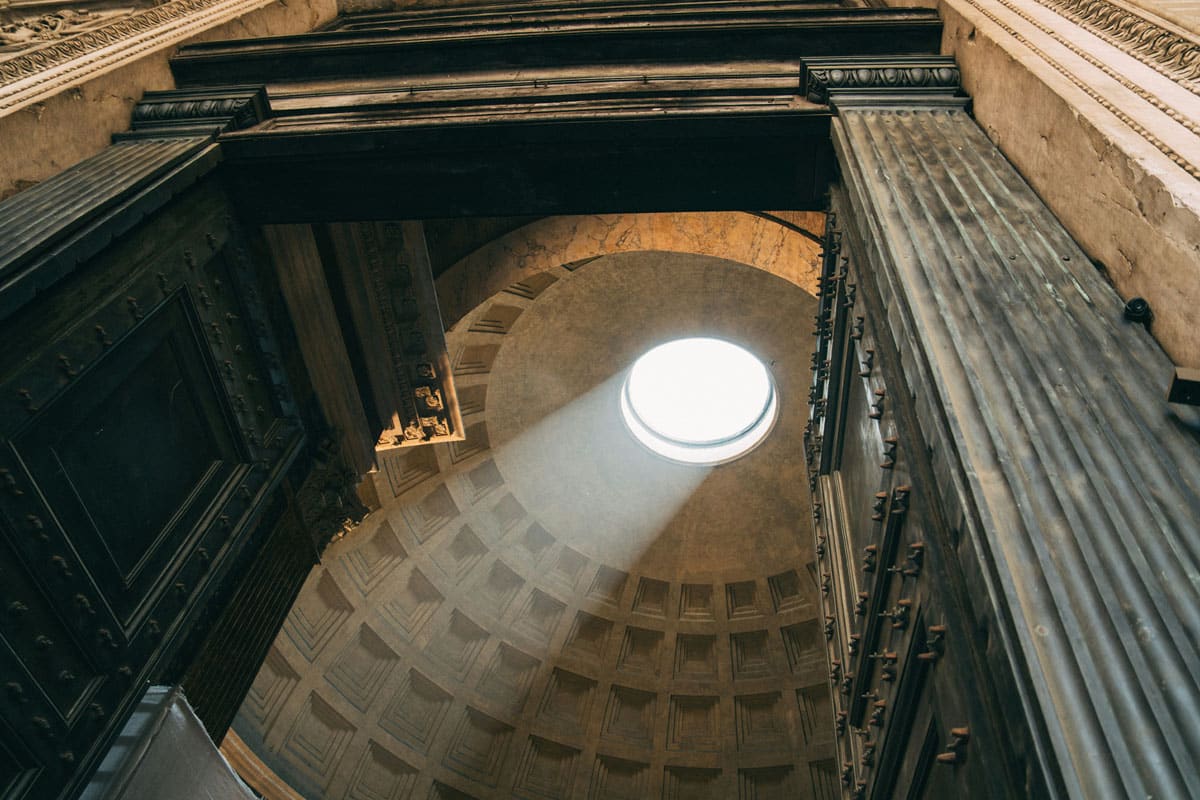
Long before architecture became concerned with style, it was shaped by four elemental forces: fire, water, earth and air. They weren’t abstract ideas or historical references, but the very things that made a place comfortable, social and deeply connected to its surroundings.
Thousands of years later, they continue to influence the way we design.
In the principal living space, a reflecting pool is set against a double-height glazed opening. Throughout the day, sunlight catches its surface and projects moving reflections across the ceiling, quietly animating the room from morning until evening. The water is not simply something to look at; it becomes part of the architecture itself, marking the passing of time through light and movement.
Elsewhere, every principal living space is organised around a hearth. Indoors, fireplaces create places to gather almost instinctively, while outside a generous fire anchors the main terrace, allowing family life to extend long after summer has passed. The role of fire has changed remarkably little over the centuries. It still draws people together.
The house is grounded by natural stone, both inside and out. Walls and terraces emerge from the landscape with the same sense of permanence, allowing the building to feel rooted rather than placed upon the site. It is less about a particular material palette than creating the quiet confidence that comes from belonging to a place.
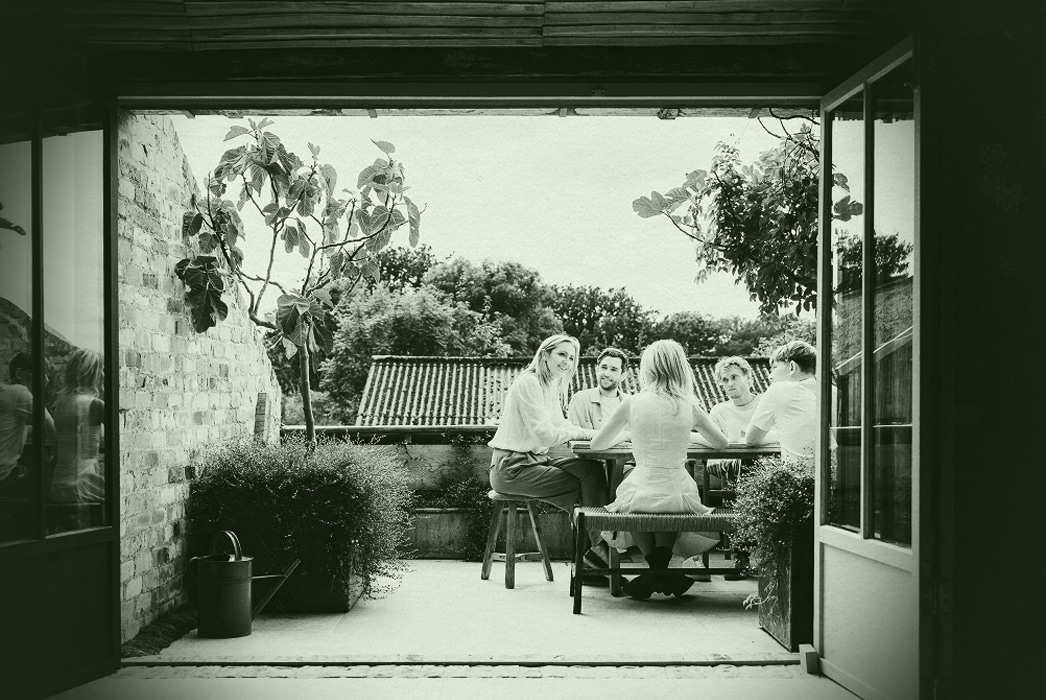
Perhaps the least visible element is air. Courtyards, carefully positioned openings and large sliding doors allow the house to breathe naturally, encouraging fresh air to move through the plan while dissolving the boundary between inside and out. In the warmer months, the architecture expands into the landscape almost without noticing.
None of these decisions were made because we set out to include the four elements. In truth, we only recognised the pattern once the design had begun to take shape.
Perhaps that is because the essential things in architecture have changed very little. Styles evolve, technologies advance and the way we build continues to improve, yet the qualities that make a home feel human remain remarkably constant.
Sometimes, the oldest ideas are still the most enduring.