

A Crackle of Life
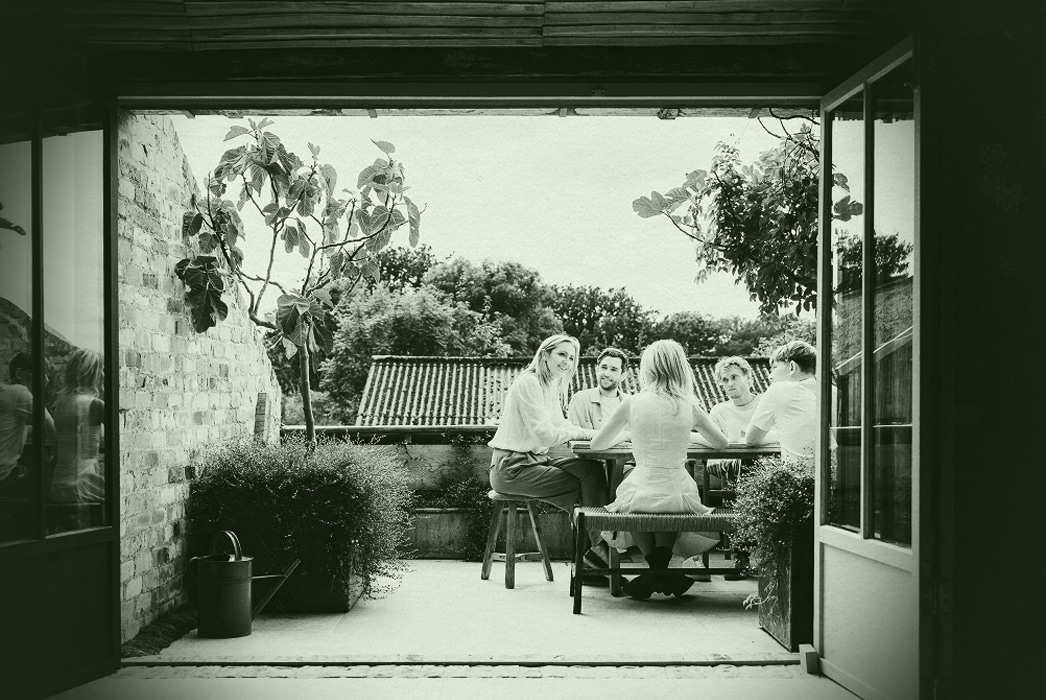
I have long been fascinated by the effect incredible architecture can have on us, the powerful experience upon the senses, that intangible quality that makes a space feel so completely alive. An electric feeling in a building, an energy that feels almost tangible, which I call “the crackle of life.”
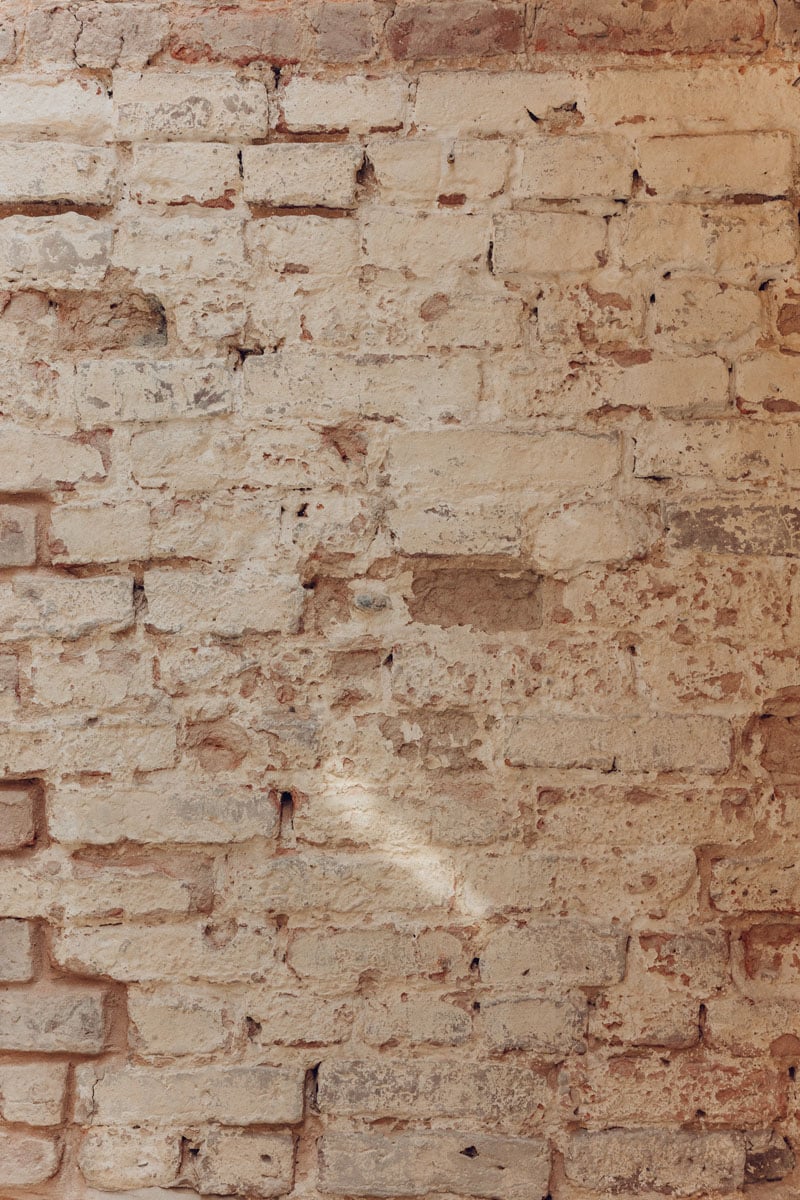
Buildings begin with matter: stone, timber, clay, glass, metal. Materials that once belonged to the natural world are assembled into walls, floors and ceilings, dividing the landscape into measurable volumes, rooms, houses, barns, halls and workspaces.
But a building can remain just that: an arrangement of inert materials. Plants, animals, occupants and their guests may inhabit these spaces, but their presence alone does not give a building life.
Atmosphere is born when a building becomes more than a building, when it becomes architecture.
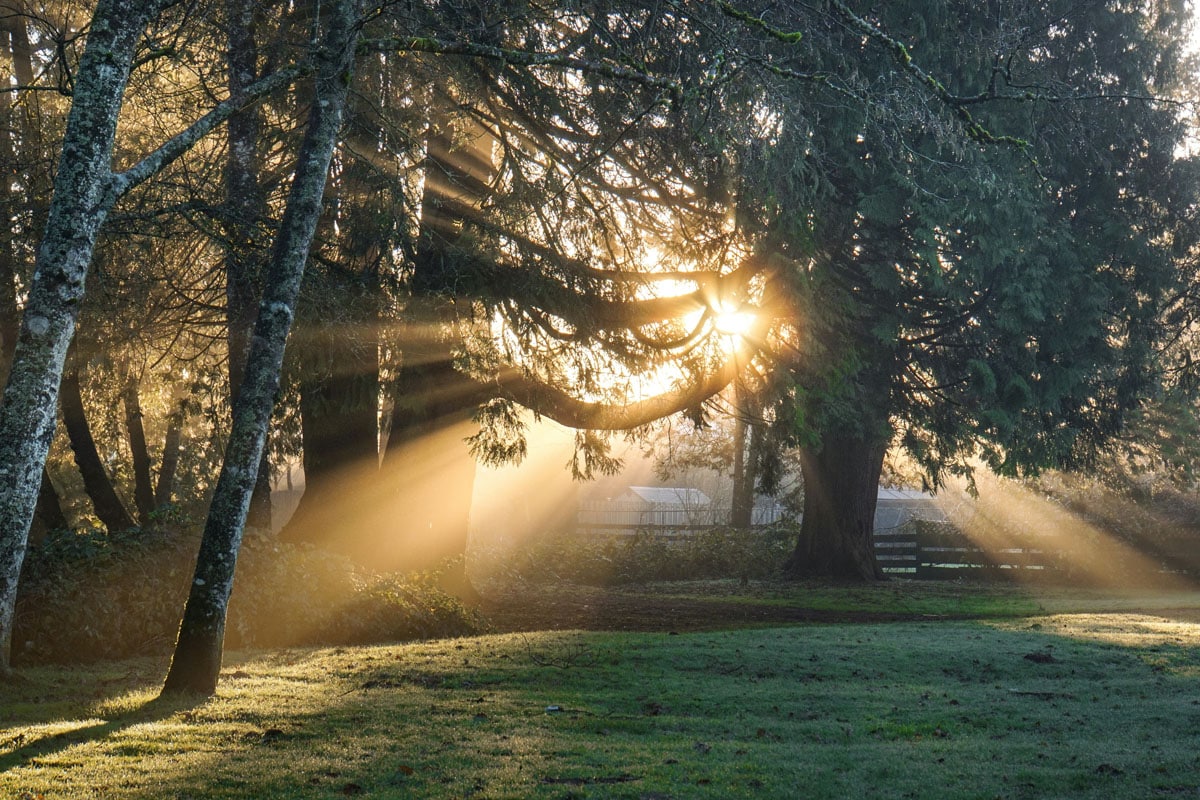
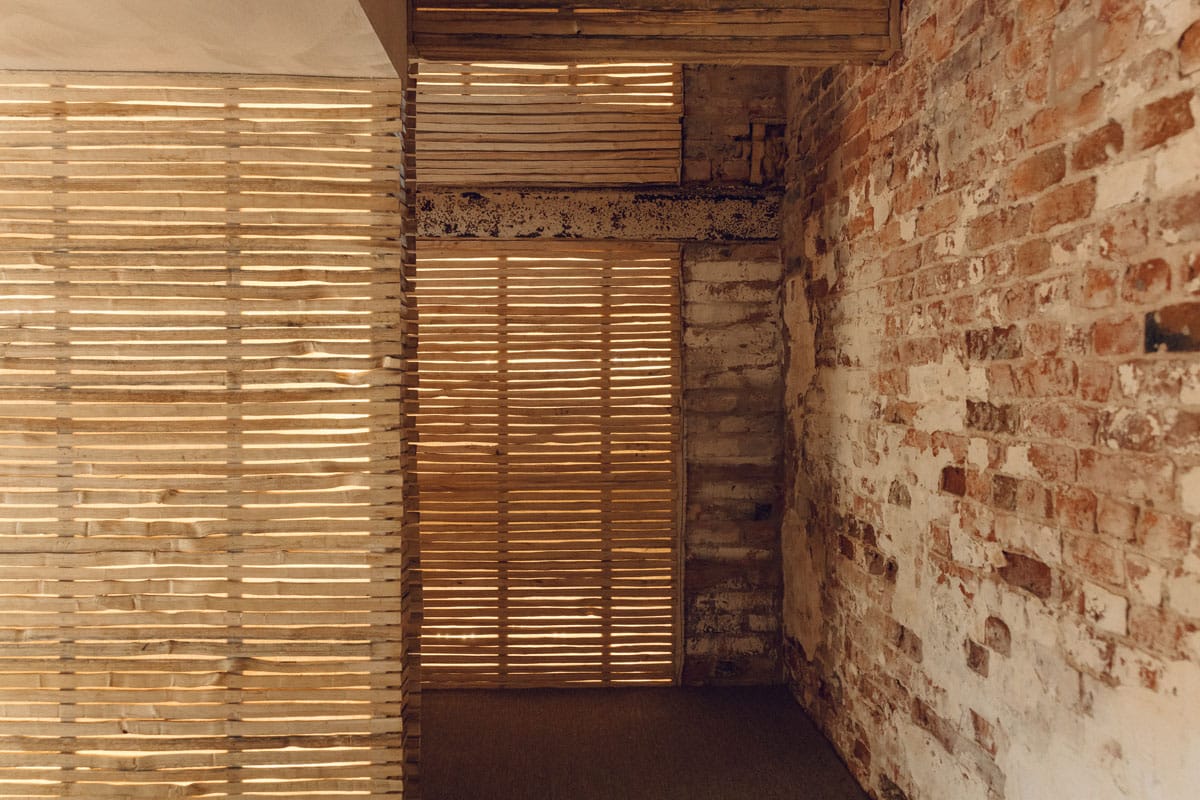
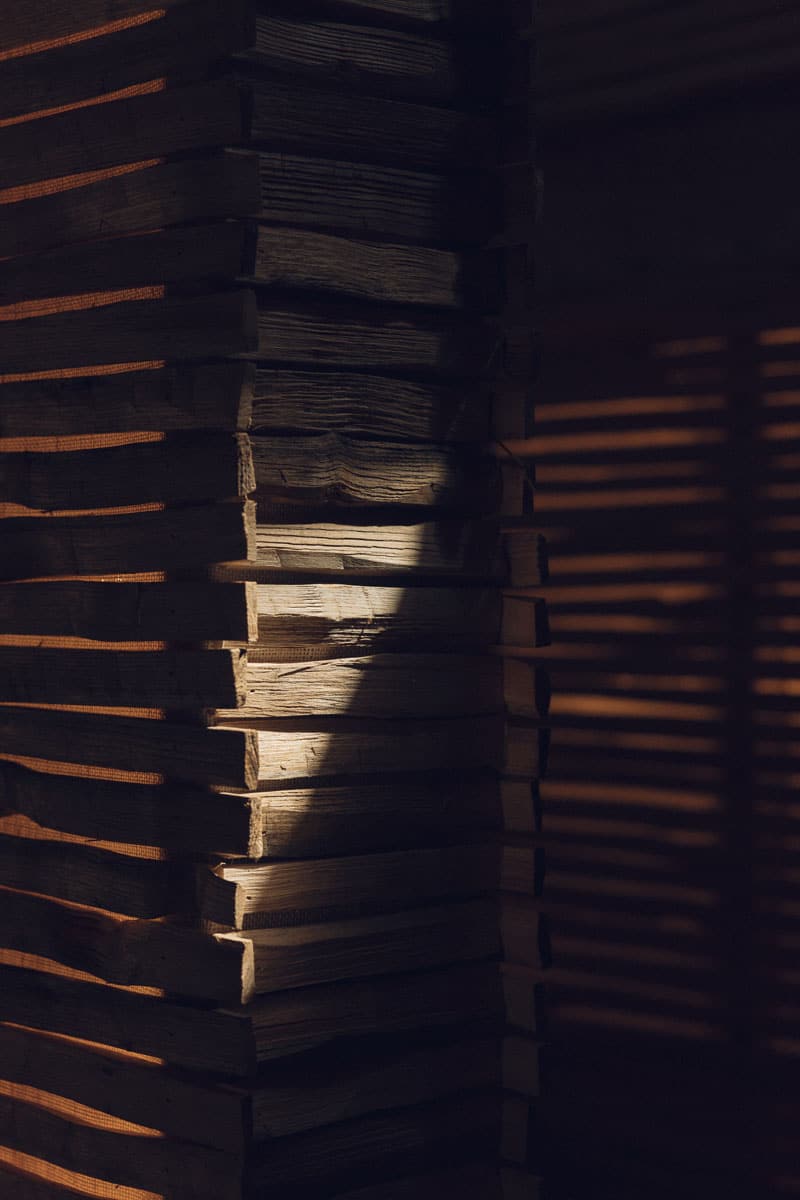
Architecture is the curious transformation that occurs when energy is present within a space: through light, shadow, sound, scent, warmth, fire or music. These invisible architectural tools fundamentally alter how we experience a place.
Peter Zumthor speaks beautifully about atmosphere: the immediate emotional response we have to a place before we have consciously understood why it affects us.
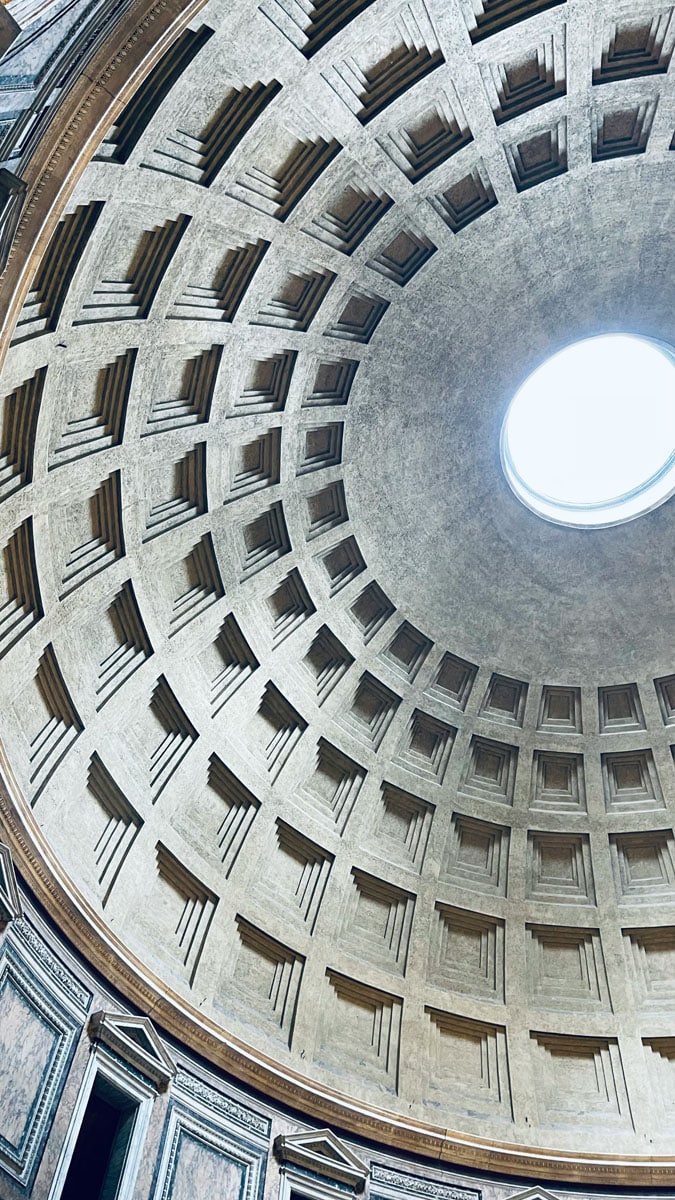
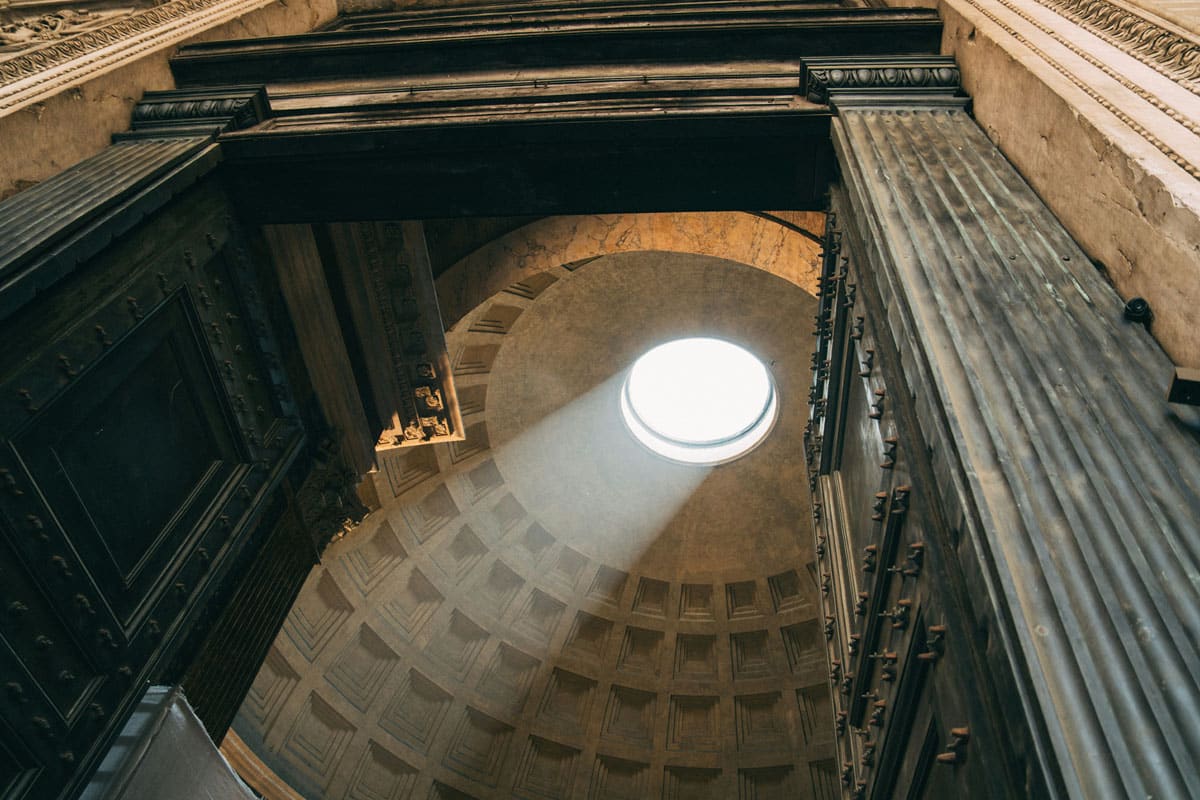
Architectural masterpieces display this with extraordinary power. Tadao Ando’s Church of the Light. Peter Zumthor’s magical stone chambers of darkness at Therme Vals. The Pantheon in Rome.
These are the extraordinary buildings that taught me to look for atmosphere, and this is how I have tried to translate that thinking into a house that can actually be lived in.
So how can this quality appear in the design of a home? And why use it at all?
In a home, it appears through the creation of soul, a personality, a character and the sense of a life within it. Through the senses, we can transform our experience, alter our mood and awaken memory.
In designing my own house, it has been an absolute principle of its creation that it should have soul, its own personality and character, and feel alive.
The senses are constantly engaged by the natural effects of water and light in the design of our home, creating moments of wonder.
The house plays with anticipation, discovery and surprise.
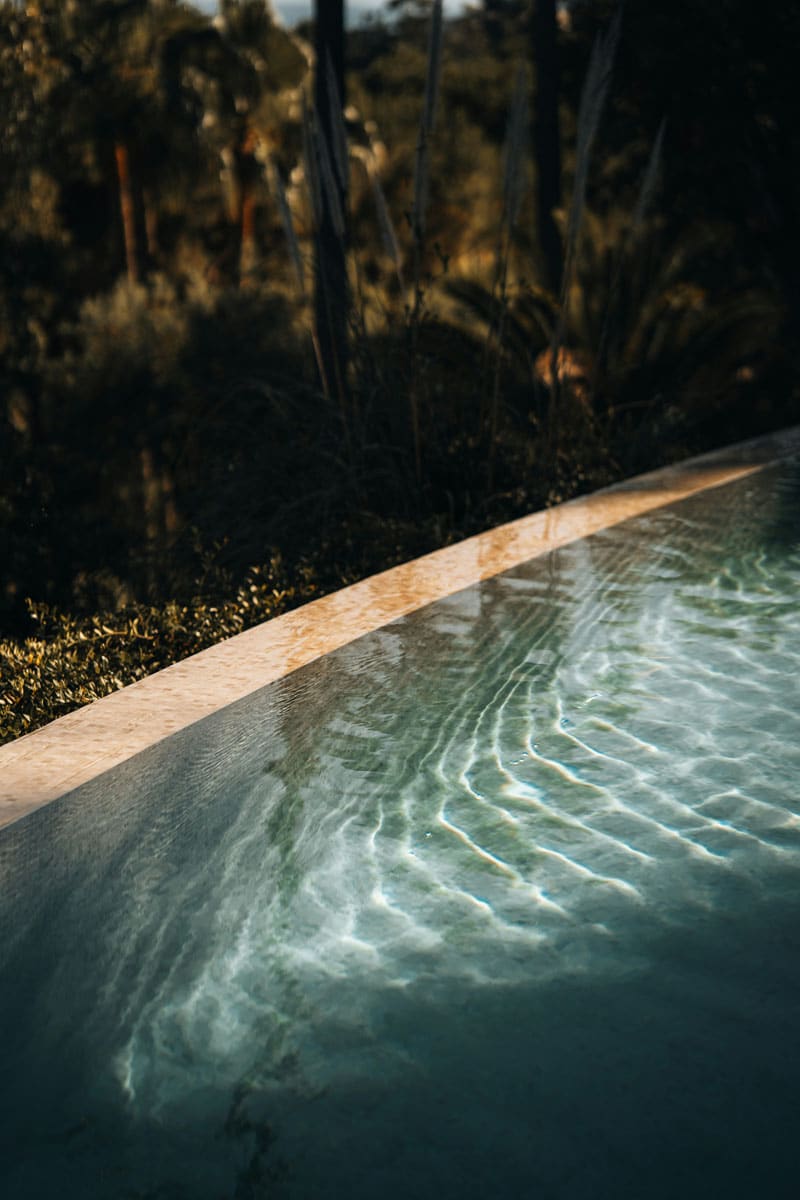
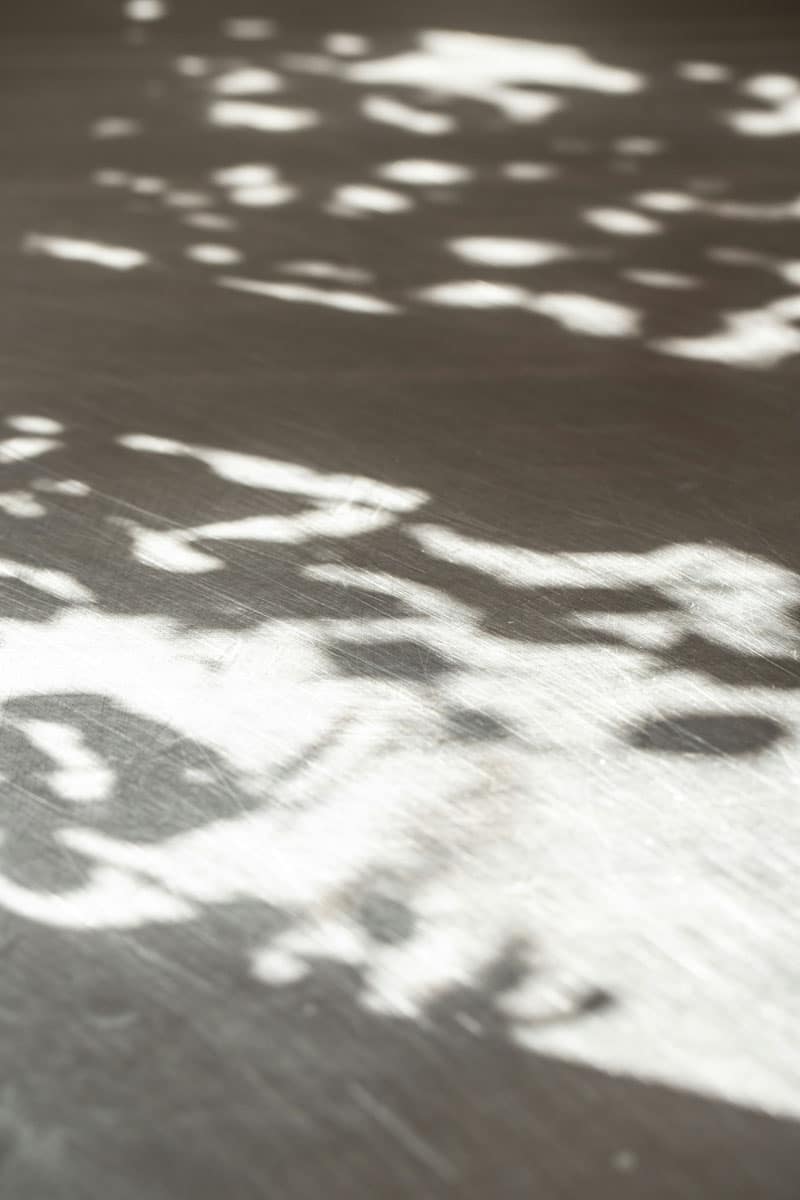
The swimming pool is brought as close to the house as possible, becoming not simply an amenity in the garden but part of the architecture itself, a vast reflective surface immediately beyond the largest areas of glass, capturing moving sunlight and dappled light on the internal walls of the hall. Reflective surfaces catch fragments of sky and light.
And then there is the glasshouse.
It is almost entirely made of glass, yet it is not an empty transparent box. Winter jasmine fills it, dappling the light and changing the scent of the room throughout the seasons. The architecture becomes inseparable from the plants, the weather, the light and the air around it.
Outside again, falling water is deliberately amplified into sound, allowing it to resonate through the French doors of the Master Bedroom.
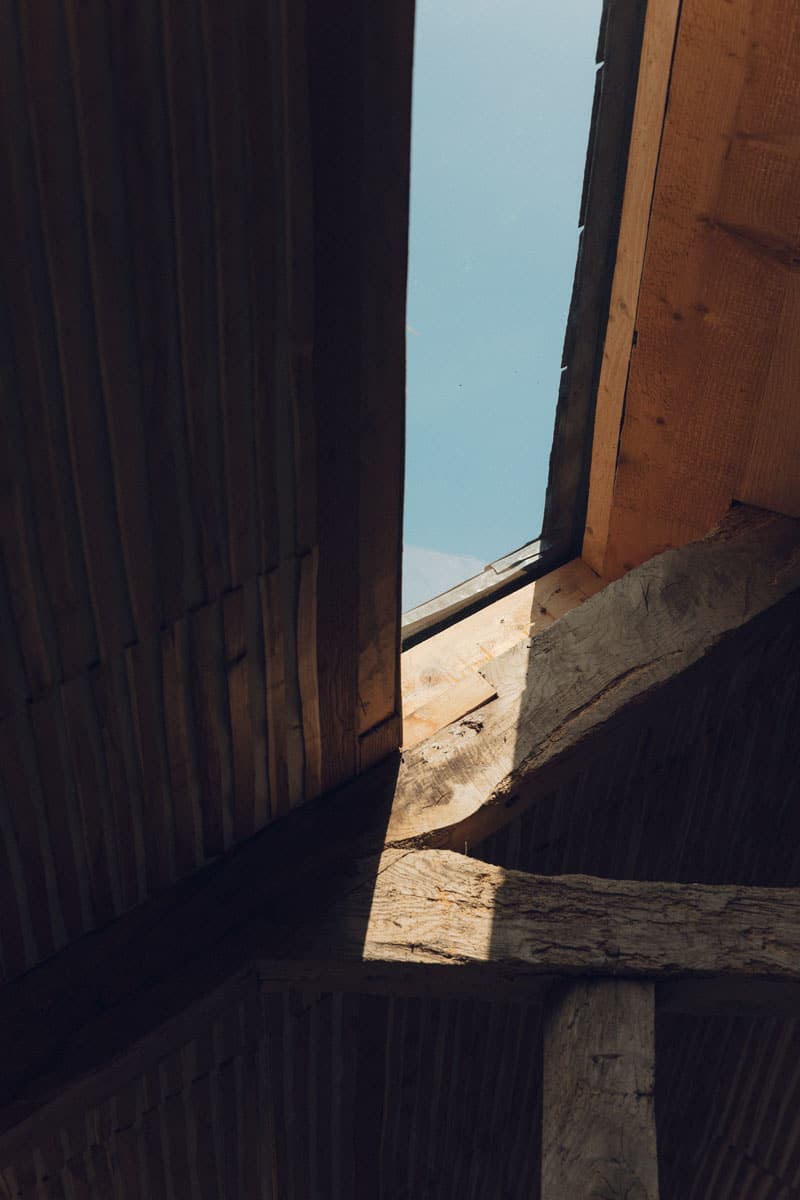
The bed is elevated to create a greater sense of security, whilst the ensuite bathroom steps down and is lowered in scale beneath a cosy timber ceiling, deliberately changing scale and atmosphere. Bathing becomes an experience of enclosure, warmth and intimacy.




Elsewhere, the mood changes completely.
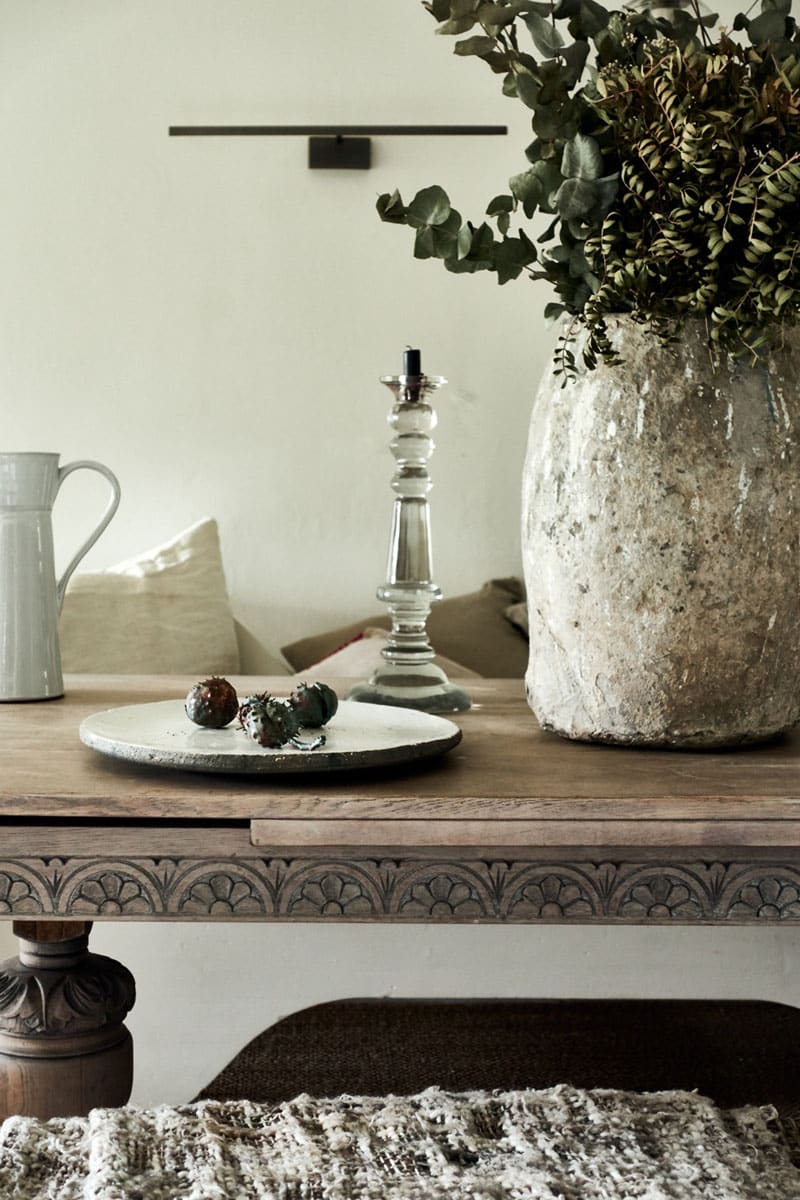
There are dark, cool spaces and warm, intimate ones. Breezes carry scent through open windows.
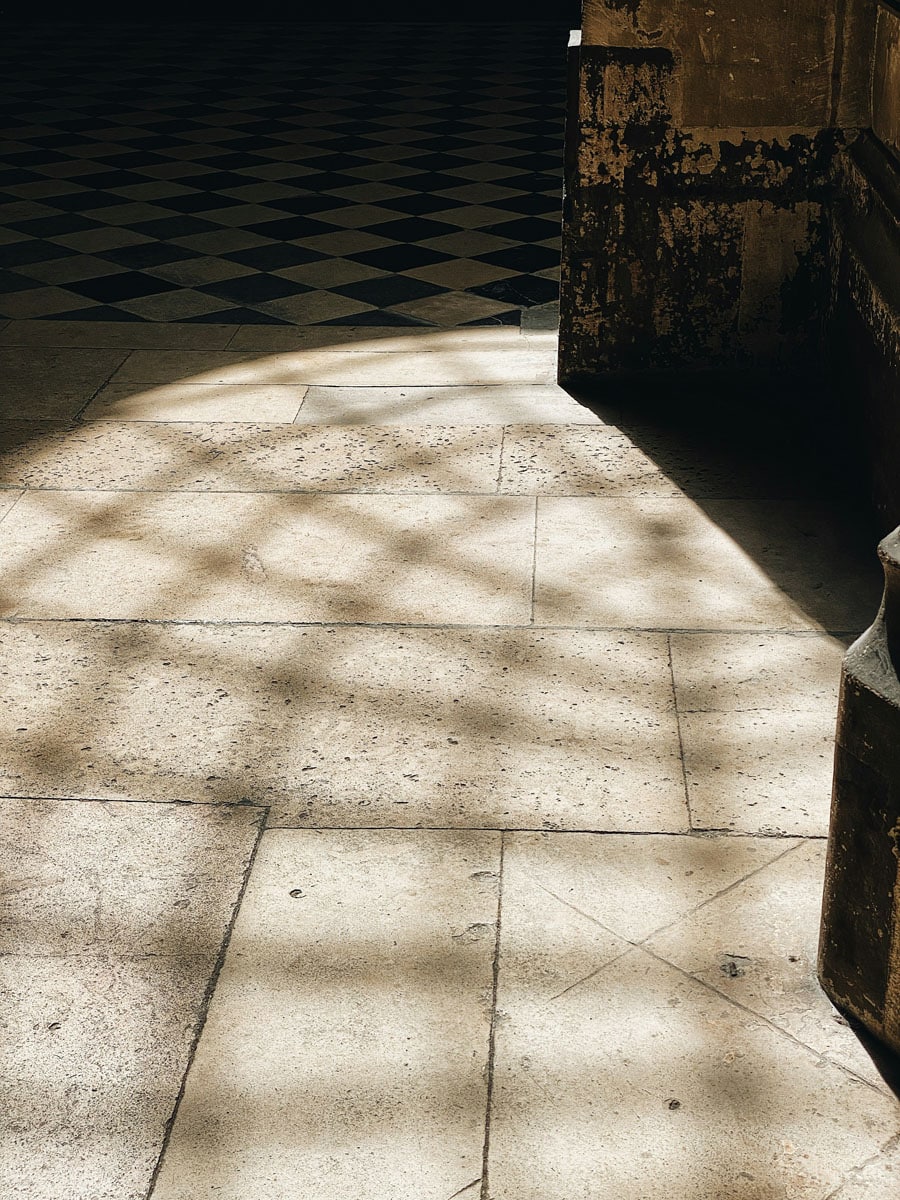
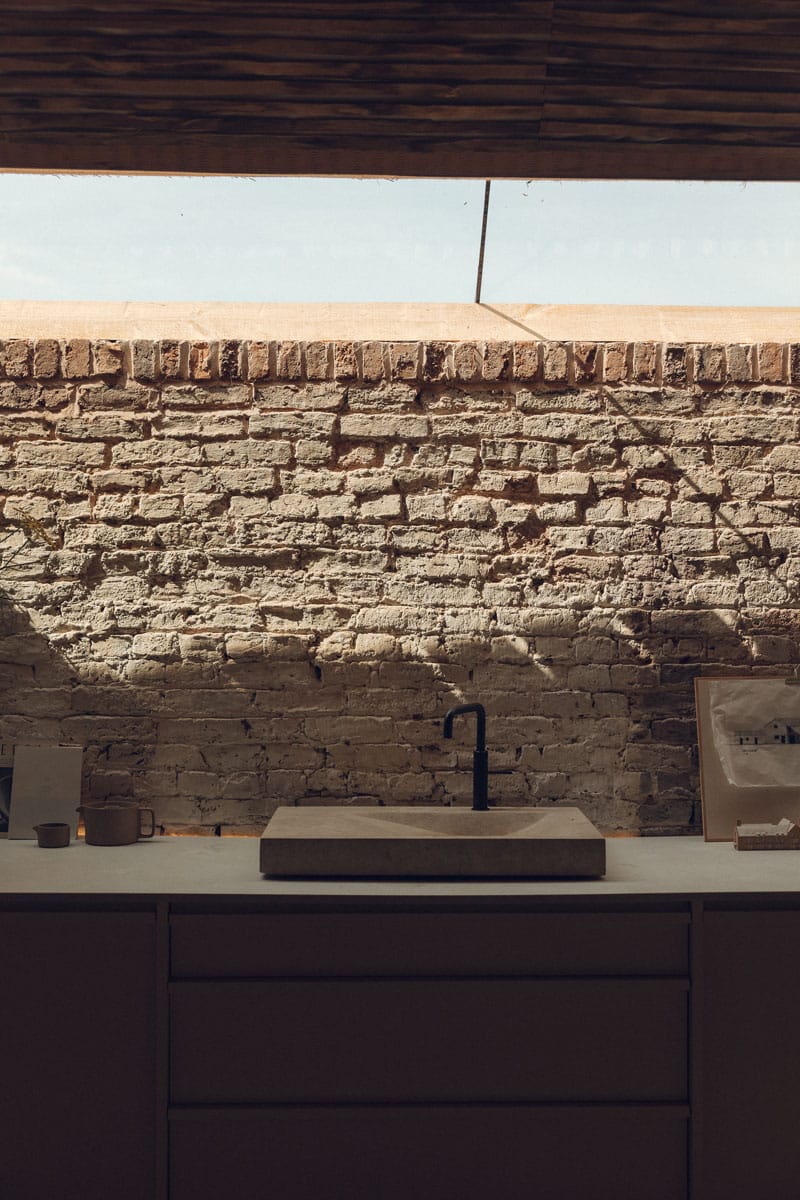
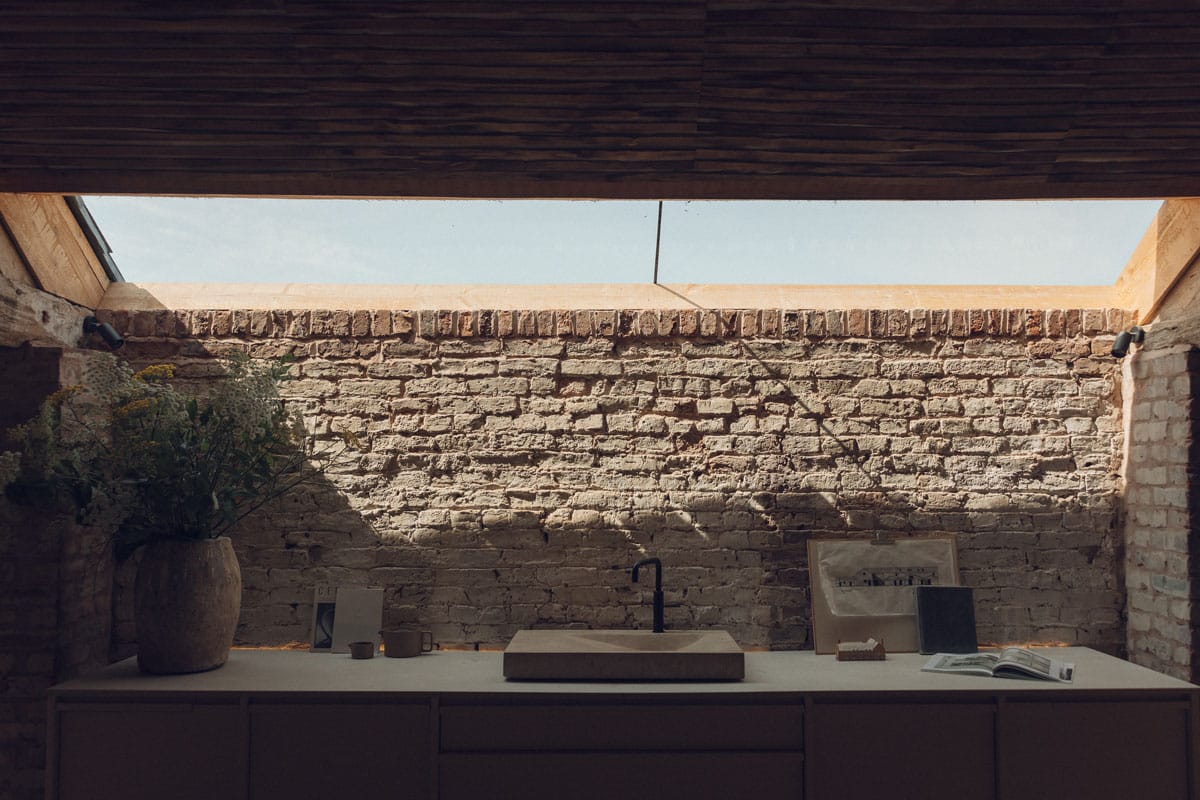
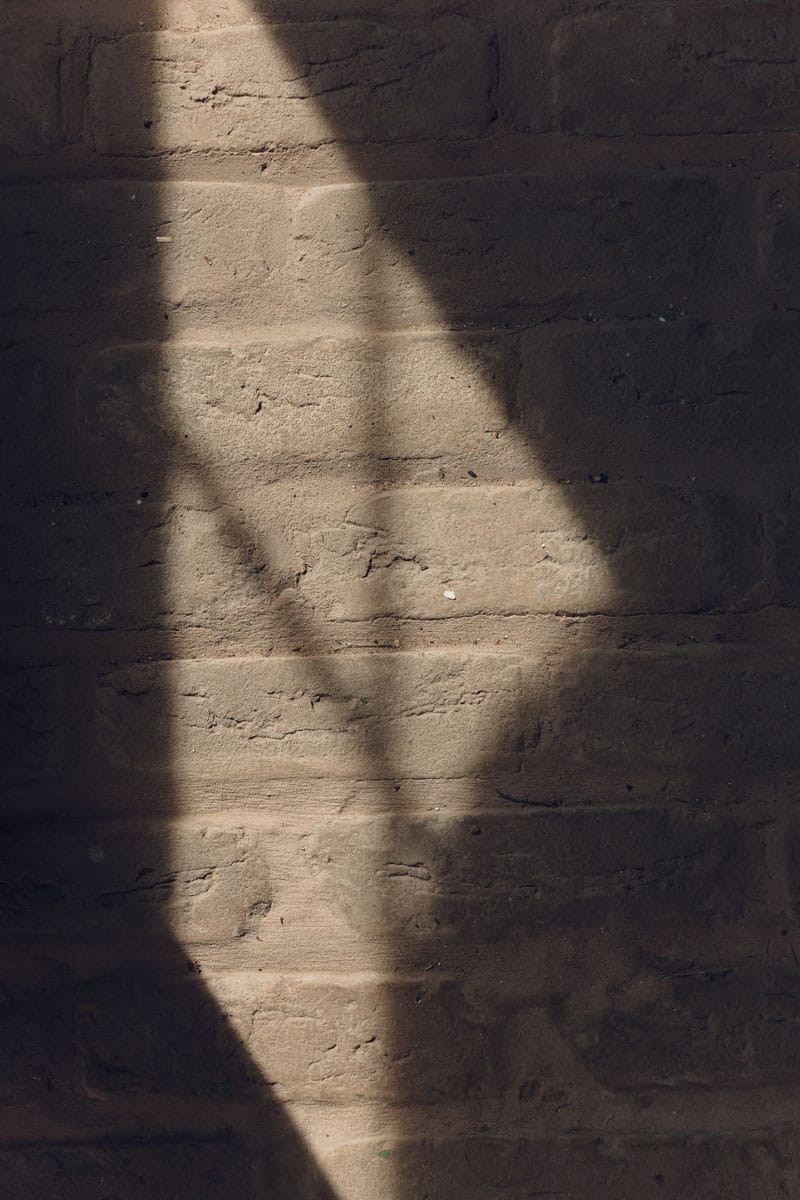
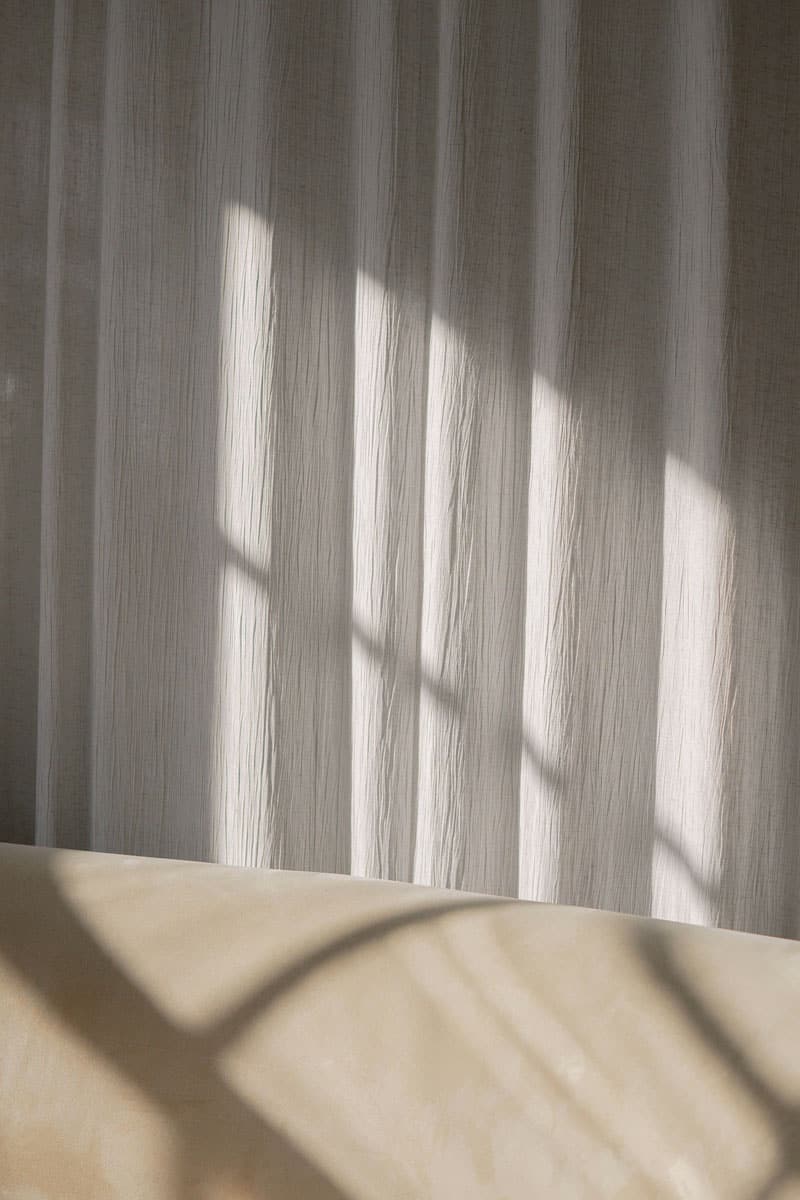
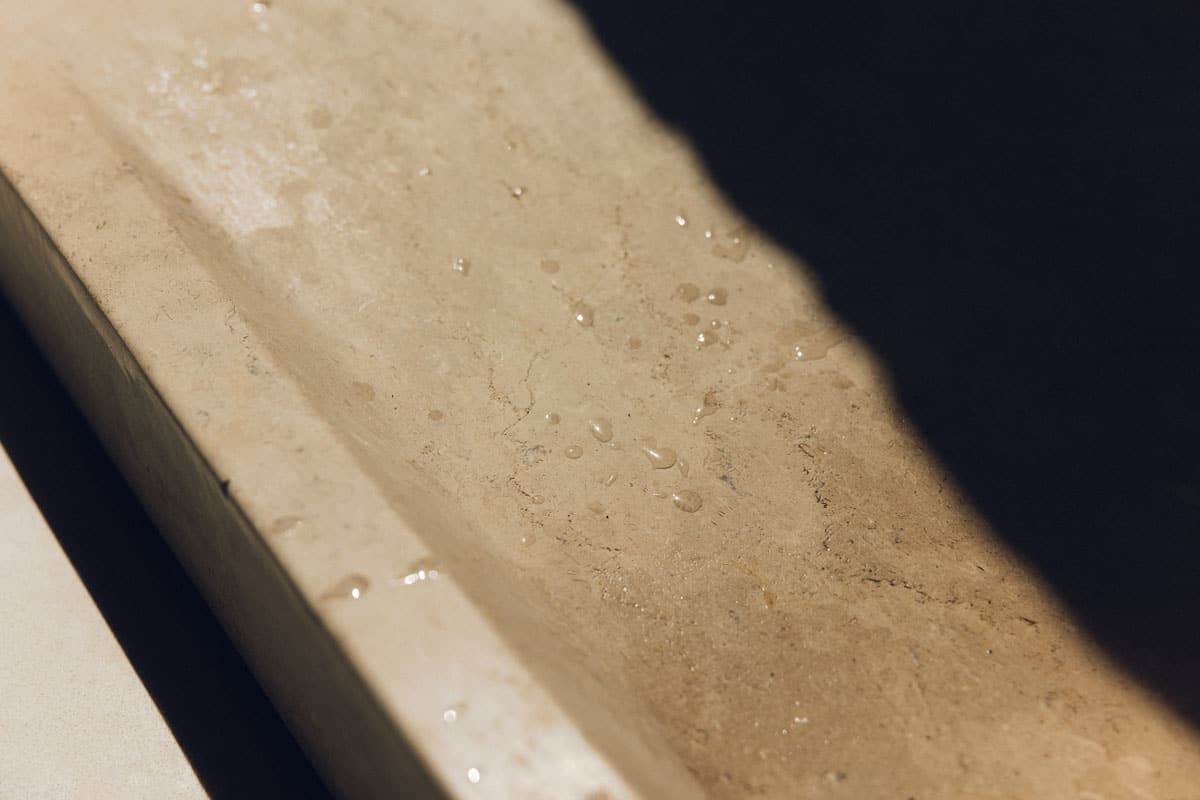
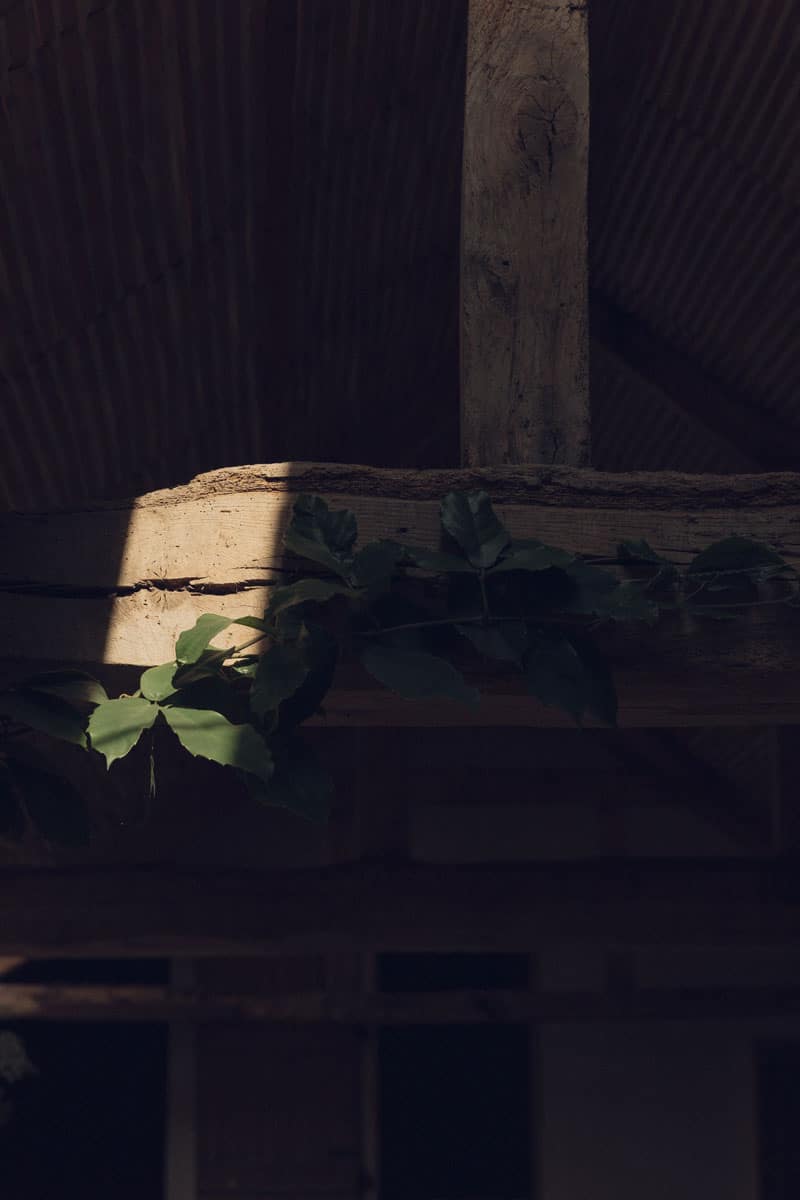
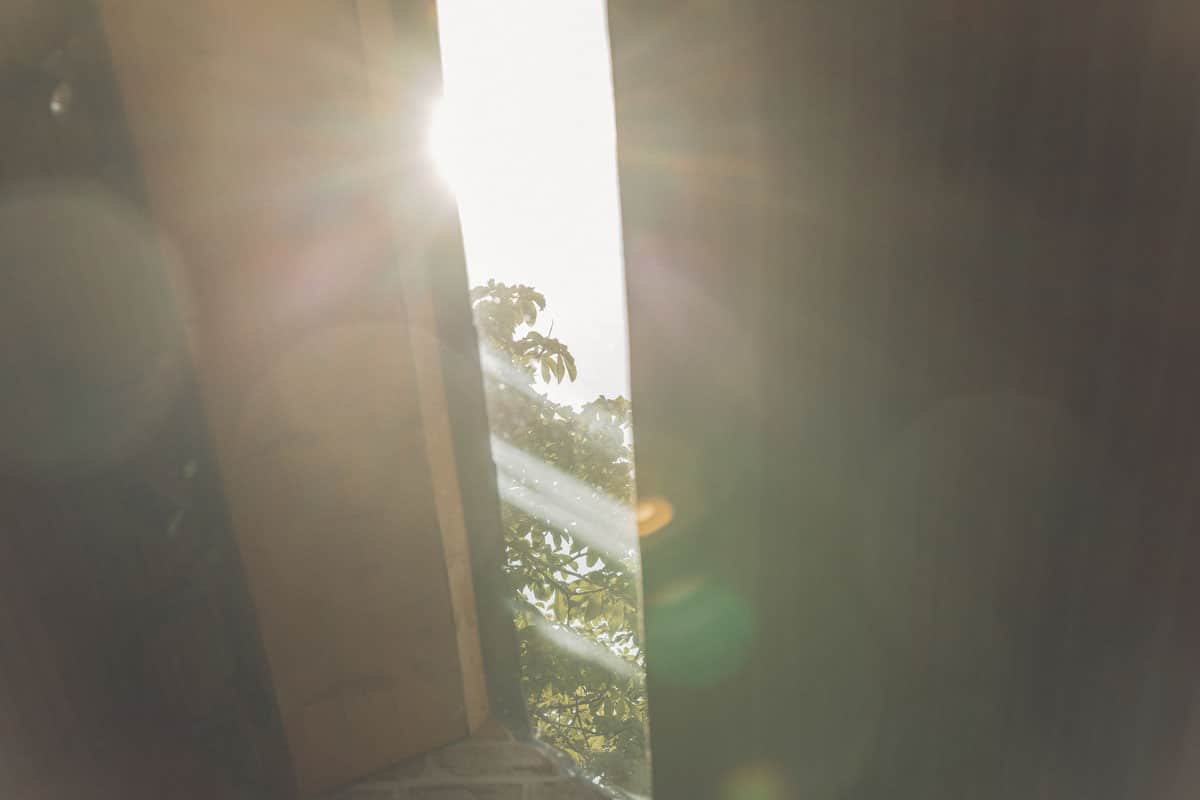
A pin-hole light punctures the darkness in the archway. Long shadows move slowly across surfaces in the kitchen. Spring water is visible in a shallow, flowing rill through the garden room, which is washed by bleached daylight.
This is what I am searching for in my work.
Not simply beautiful rooms.
Not architecture as an arrangement of objects.
But homes that have energy. Homes in which light, water, shadow, scent, sound, temperature, material and movement are deliberately composed to create a changing emotional experience.
Because we do not experience our homes through drawings or floor plans.
We experience them through our bodies.
We remember the sound of rain against glass. The coolness of stone beneath bare feet. The smell drifting through an open window. The warmth of a fire. The feeling of walking from darkness into light.
And perhaps that is the real purpose of atmosphere in a home: not simply to make a space beautiful, but to make life within it more vivid.
Architecture should not merely contain life.
It should amplify it.
The greatest spaces have an energy you can feel.
That is ‘the crackle of life’.